
2025-2026 Annual Report
We’re building
something beautiful.
At United Way of Greater Stark County, we envision a community where all children realize their full potential, and we’re making it happen one child at a time.
CH 1.0: Meet Our CEO
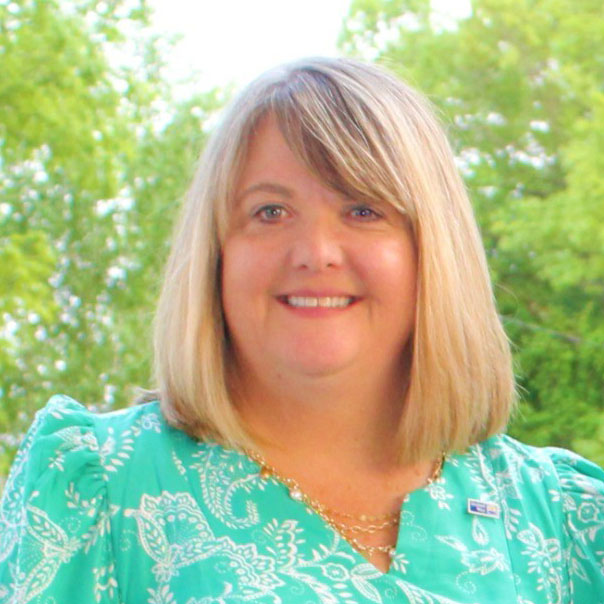
A message from Angela Perisic, our President and CEO
Here at United Way of Greater Stark County, we believe that when families are strong, neighborhoods thrive – and when neighborhoods thrive, our entire community moves forward.
CH 2.0: Our Mission & Values
We're building something Life-Changing
Support for local kids and families.
Our Mission
Build our community’s capacity to alleviate the impact of poverty and empower families to unleash their potential.
Our Vision
A community where all children realize their full potential.
Our Values
Can-do attitude, be a team player, open to change, humbly confident, deep respect for human potential.
CH 3.0: Our Priorities & Work
We’re building something together
A strong foundation for every child.
Every child deserves the opportunity to learn, grow, and reach their full potential. Yet for many families across Stark and Carroll counties, that journey is shaped by challenges that extend far beyond the classroom.
In our community, nearly one in five children lives in poverty, making children significantly more likely than adults to experience financial hardship. The challenges are even more concentrated in our community's highest-need neighborhoods, where 13 Census tracts have childhood poverty rates between 40% and 80% and have experienced persistent poverty for more than three decades.
Poverty rarely exists in isolation. Families struggling to make ends meet often face multiple barriers at once — from housing instability and food insecurity to limited access to transportation, childcare, healthcare, and other essential resources. These interconnected challenges can make it difficult for children to succeed in school and for families to build long-term stability.
That's why United Way of Greater Stark County takes a comprehensive approach. We bring together schools, nonprofits, businesses, volunteers, donors, and community partners to strengthen families, remove barriers, and create opportunities that help every child thrive.
Our work is guided by research, focused on prevention, and rooted in a simple belief: when children have strong families and supportive communities, they have the foundation to reach their full potential.
CH 3.1: Shaping the Future
Why the Early Years Matter
Research has shown that a child's earliest experiences shape lifelong health, learning, and opportunity. Children who experience significant adversity, known as Adverse Childhood Experiences (ACEs), face a greater risk of chronic health conditions, educational challenges, and economic instability later in life.
ACEs include experiences such as abuse, neglect, household instability, exposure to violence, and persistent poverty. Research also shows that children in Stark County experience ACEs at higher rates than many communities across Ohio, making early intervention and family support more important than ever.
But adversity is not destiny.
Nearly two-thirds of Ohio adults report experiencing at least one ACE, and the research is equally clear that supportive relationships, stable environments, and access to community resources build resilience. Caring adults, strong families, and connected communities can dramatically improve a child's trajectory, even in the face of significant challenges.
Every program we invest in is designed with that goal in mind. By strengthening families, supporting early learning, improving financial stability, and connecting children to opportunities, we're helping build resilience today and creating brighter futures for generations to come.
CH 3.2: Building Resilience
Investing in the Power of families
Research shows that building and reducing protective factors can help prevent or reduce the negative impact of ACEs and help children and families be more resilient. How do we turn research into results? By investing in evidence-based programs that strengthen families, support children, and build resilient communities.
Our approach is two pronged and two generational.
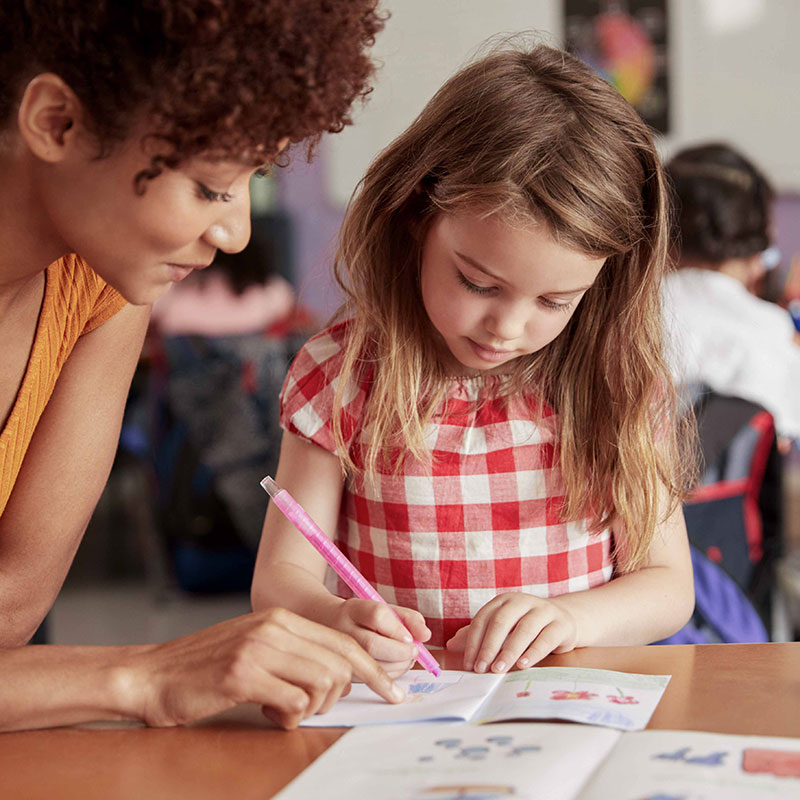
First, we ensure a strong start for children by building skills and relationships with a focus on families with young children, living in the areas of our community with the highest levels of poverty.
Second, we strengthen the household stability of those families by providing economic resources to reduce stress and prevent long-term harms.
CH 4.0: Building Skills
We're building something LASTING
A strong foundation for lifelong learning.
Children develop a strong foundation for lifelong learning and opportunity when they build physical, social, emotional, and academic skills early in life. Research shows that after-school programs, high-quality childcare, and home visiting provide enriching environments where children can learn and grow — helping to reduce the effects of poverty, trauma, and other challenges.
Through 20 skill-focused programs, United Way of Greater Stark County invested $1,061,654 into community programming to support children and families in building a stronger foundation.
From kindergarten readiness to after-school enrichment, United Way invests in programs that help children develop the academic, social, and emotional skills needed to thrive. Together, these partnerships are building stronger foundations for lifelong success.
CH 4.1: Supporting Early Learners
Early Childhood Education

Across our community, early childhood education continues to face serious challenges as pandemic-era supports have ended, federal relief dollars have declined, and other funding sources have tightened.
In response, United Way has remained committed to helping bridge the gap so children can continue to access high-quality early learning experiences. Last year, our investment helped sustain classrooms and services for young children, but the need in our community remains significant. If we are serious about investing in our youngest learners, we must continue closing funding gaps and advocating for the resources families and providers need.
Funds supplied by the United Way of Greater Stark County remain an important source of support for many community partners, including the SPARK program in Stark County, even as overall funding levels were reduced during the past year.
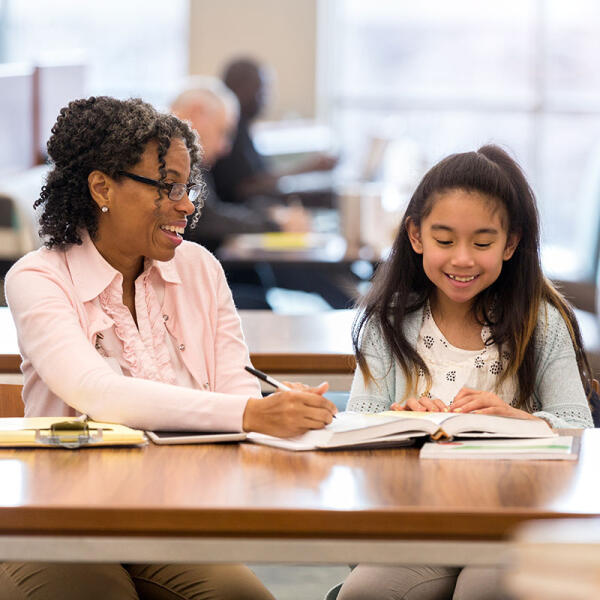
One of the many ways United Way supports kindergarten readiness is through our investment in SPARK, an evidence-based home visiting program that equips parents to become their child's first and most important teacher.
United Way dollars helped sustain core program activities, including staffing, parent engagement, and child assessments, ensuring families could continue to access high-quality kindergarten readiness services. At the same time, the loss of state funding had a significant impact on the program year, creating financial gaps that could not be absorbed through program reductions without affecting service quality. To maintain continuity and protect outcomes for children and families, Early Childhood Resource Center utilized organizational reserves to support SPARK operations. This combined approach allowed the program to remain stable, preserve service access in Stark County, and uphold its commitment to preparing young children for success in kindergarten despite a challenging funding environment.
Let’s look at how SPARK supports families a little more….
CH 4.2: Paving a Path
SPARK
United Way of Greater Stark County works with the SPARK program through the Early Childhood Resource Center (ECRC), helping ensure children are ready for kindergarten and their school years.
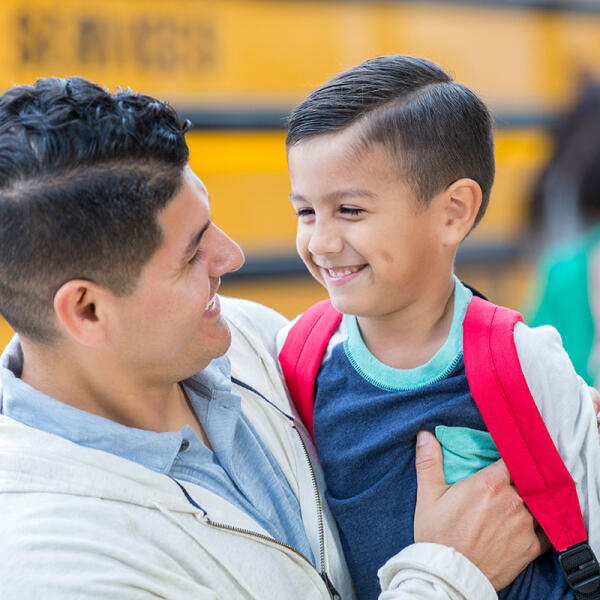
Supporting Partnerships to Assure Ready Kids (SPARK) works with families of preschool-age children to help get them ready for kindergarten. The program serves communities with high unemployment rates, high rates of economic disadvantage, and limited access to community resources. Through SPARK, families get help to support and ensure their children's success. SPARK parent partners visit the home monthly to conduct prescribed lessons and activities based on Early Learning and Development Standards.

They work with the parents to devise a learning plan to ensure that the child will begin kindergarten ready and excited for school. At the end of the lesson the family gets a bag containing the book read that day, materials to practice new skills introduced, activity ideas, and a tips sheet discussing that day’s learning and how they can foster the growth of the skill. SPARK also conducts developmental screenings.
If a child is found to have barriers to school readiness (such as speech or behavioral issues), SPARK initiates referrals to needed community resources. The goal is to address concerns long before the child arrives at the schoolhouse door.
CH 4.3: Bridging the Gap
CARE Team
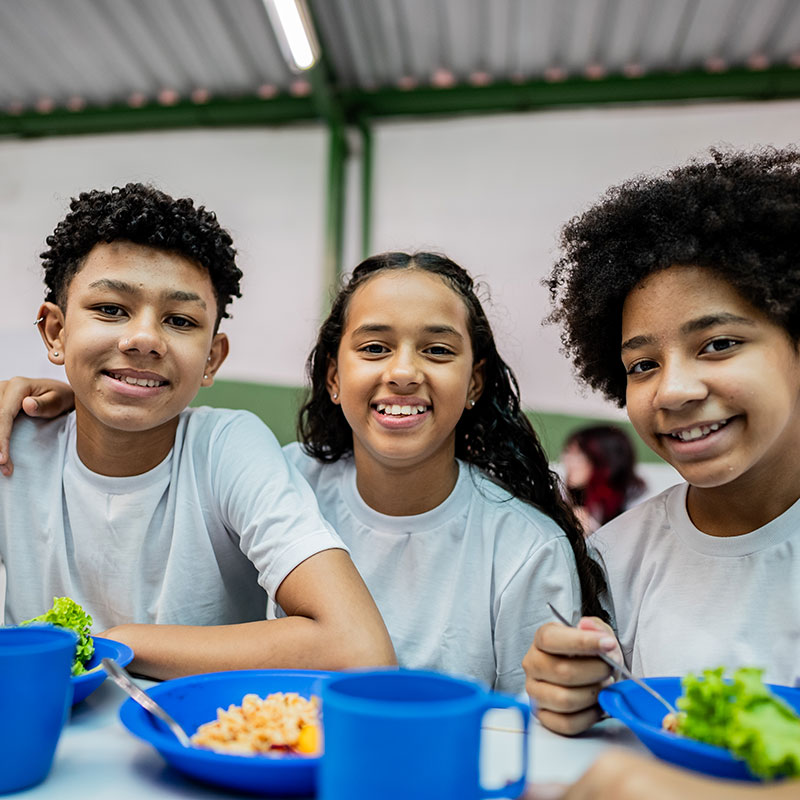
When a child struggles in school, it’s often about more than academics. Health challenges, unsafe housing, hunger, or trauma can stand in the way of learning — and for too many students in our community, these barriers feel impossible to overcome alone.
The CARE Team program changes that. By bringing together educators, law enforcement, mental health experts, and community agencies, CARE Team surrounds at-risk students with the support they need — right inside their school. Together, we work with students and their families to address challenges like physical and mental health needs, substance abuse, abuse or neglect, unsafe housing, and the daily stress of poverty.
United Way of Greater Stark County plays a critical role in making this possible — providing key funding for the administration of CARE Team and helping support Family Support Specialists who work directly with students and families.
This year, CARE Team partners provided on-site, immediate intervention that helped students stay in school, focus on learning, and build the confidence to see a brighter future for themselves. Our ultimate goal is simple but powerful: help children not only excel in school, but grow into self-sufficient, thriving members of our community.
With CARE Team, every student knows they are not alone — and every challenge is met with compassion, expertise, and a plan for success. CARE Team is in every school district in Stark and Carroll counties.



CH 5.0: Strengthening Relationships
We're building something MEANINGFUL
Relationships that empower kids to grow.
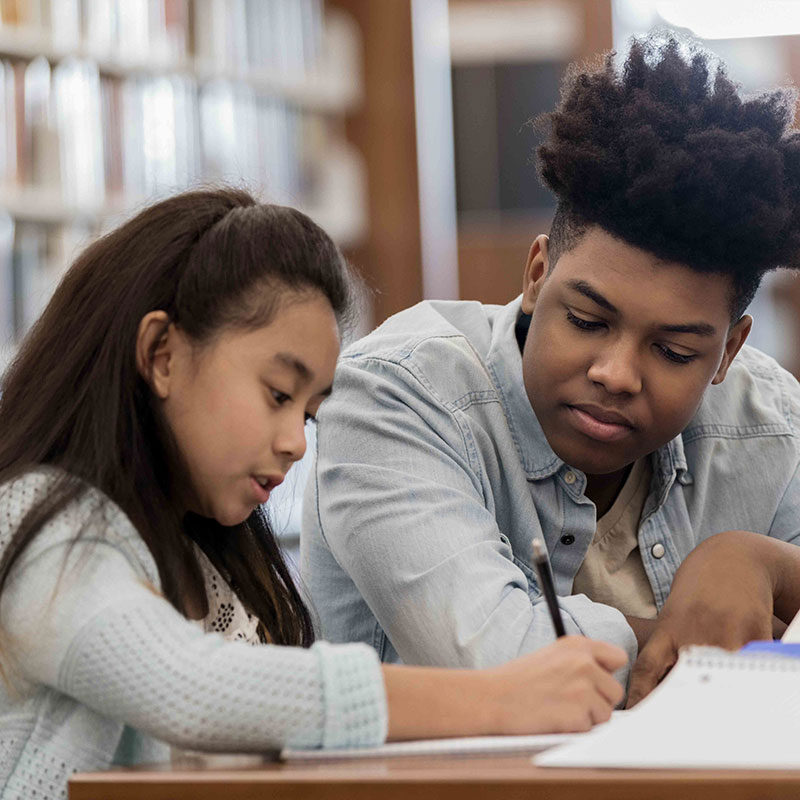
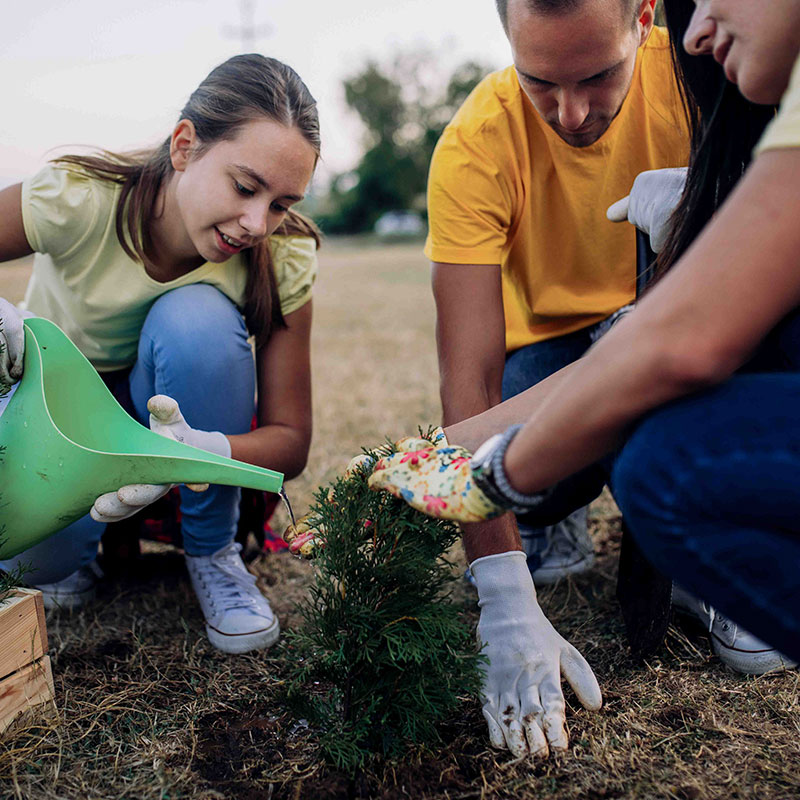
Children thrive when they’re connected to caring adults and meaningful experiences that nurture trust and belonging at home, school, or in the community. Research shows that mentoring, parenting education, and violence-prevention programs foster these safe, supportive relationships, reducing risks tied to frequent moves, negative peer influences, or parents coping with behavioral health issues.
United Way brings people together to strengthen those connections. Through family engagement, trusted community partnerships, school-based support, volunteers, and neighborhood collaboration, we're creating environments where children and families feel supported, connected, and empowered.
Through eight relationship-focused programs, United Way of Greater Stark County invested $242,675 into programming and community partners to help children and their families build stronger, healthier connections.
Nine out of 10 strengthened their relationships by becoming more attuned to their child’s needs and providing consistent support.
CH 5.1: Impacting Lives
After-School Programs
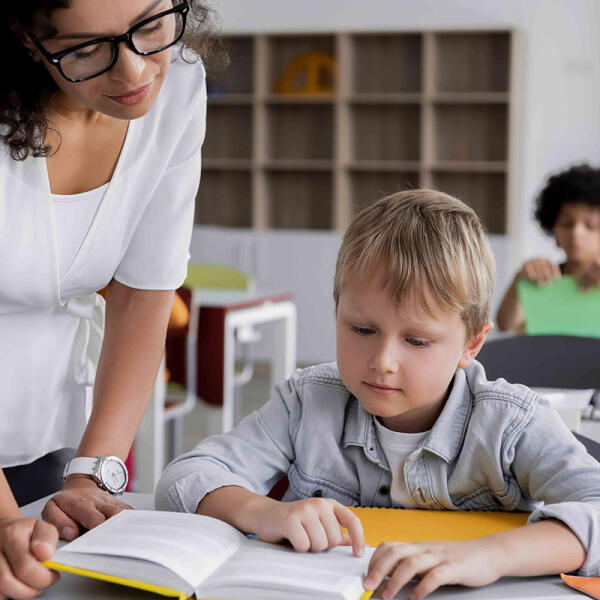
This success story highlights the progress of a fourth-grade student who has received support through the Behavior Coach Program since kindergarten. When he started school, he struggled with emotional regulation and classroom expectations.
His days often included running from the classroom, intense anger, refusal to complete work, and disrespectful communication. These behaviors were not simply defiance, but connected to an unstable home situation, limited coping skills, and a school environment that felt overwhelming. Over the past five years, consistent behavioral support, relationship-building, and skill development have helped him make steady, meaningful progress. By first grade, he was running from the classroom less often and beginning to complete small amounts of work. His interactions with staff were less reactive as he learned healthier ways to express frustration.
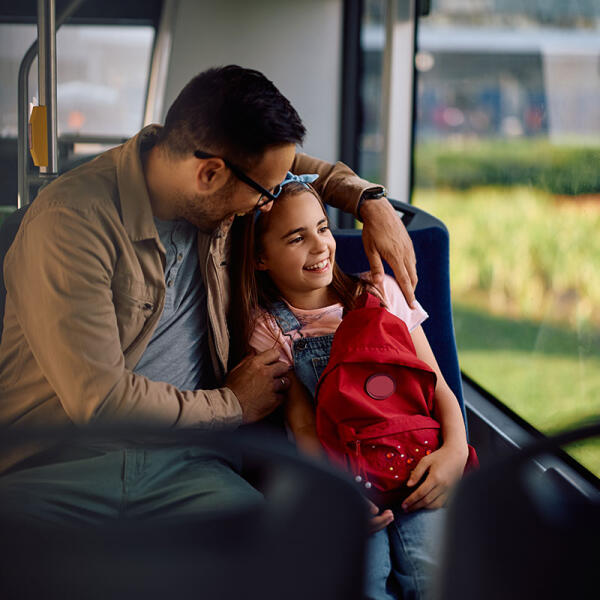
A key part of his growth has been the strong, on-going relationship through behavior coaching. Through regular sessions focused on emotional awareness, coping strategies, problem-solving, and self-advocacy, he learned how to pause before reacting, use calming tools, and ask for support when needed. Over time, these skills became part of his daily routine. This school year, as a fourth-grade student transitioning to the intermediate building, he has shown exceptional growth. Staff describe him as a model student who has a positive attitude, participates in class, completes academic work, and interacts respectfully with peers and adults.
He comes to school smiling, has strong relationships with staff, uses coping strategies on his own, and is earning excellent grades. His story shows the long-term impact of early intervention, consistent support, and a strong student-coach relationship. Today, he is thriving emotionally, socially, and academically. His progress is a powerful reminder of what students can achieve when they are given the tools, encouragement, and support they need to succeed. (AHEAD Inc. 2025-2026).

CH 6.0: Providing Economic Support
We're building something POWERFUL
The stable base families need.
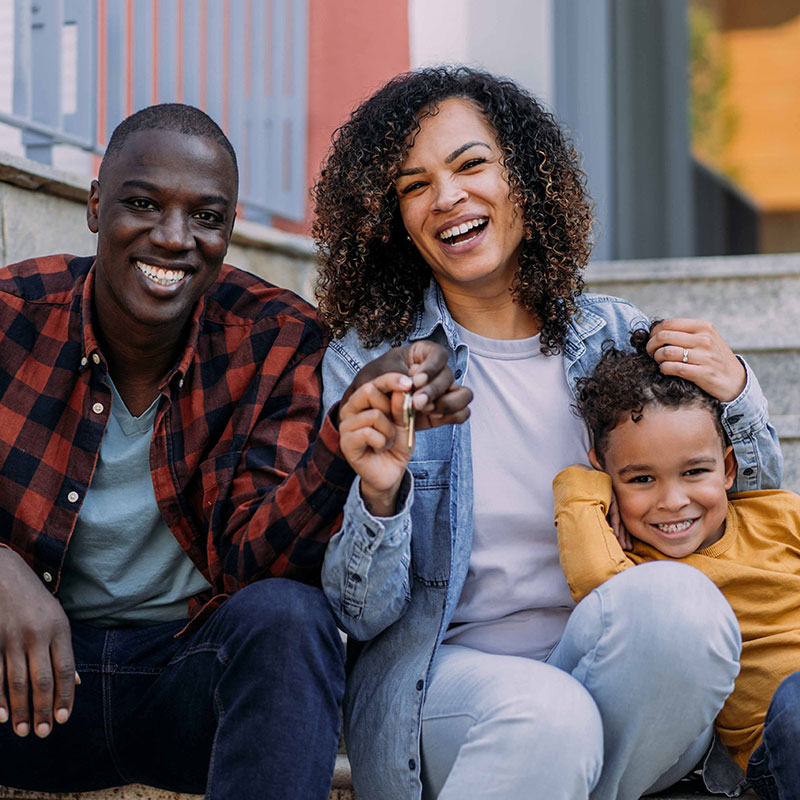
Families are stronger when they have access to basic resources, which reduces stress and prevents long-term harm. Evidence shows that providing support such as food, health care, housing, legal advocacy, transportation, and guidance navigating community systems increases household stability and reduces sources of stress or conflict.
United Way works alongside families to remove barriers that can stand in the way of opportunity. Whether helping parents access benefits, connecting families to emergency assistance, preparing taxes, or providing transportation and other critical resources, our goal is to create a stronger foundation for long-term success — not simply respond to immediate crises.
By addressing urgent needs today, we're helping families build greater stability, resilience, and hope for tomorrow. Through 22 household stability-focused programs, United Way of Greater Stark County invested over $1.3 million to help families with immediate economic supports, financial security, and well-being.
Nine out of 10 increased their disposable income by receiving help with essential unsafe housing conditions.
CH 6.1: Feeding the Future
Food and Weekend Backpack Programs
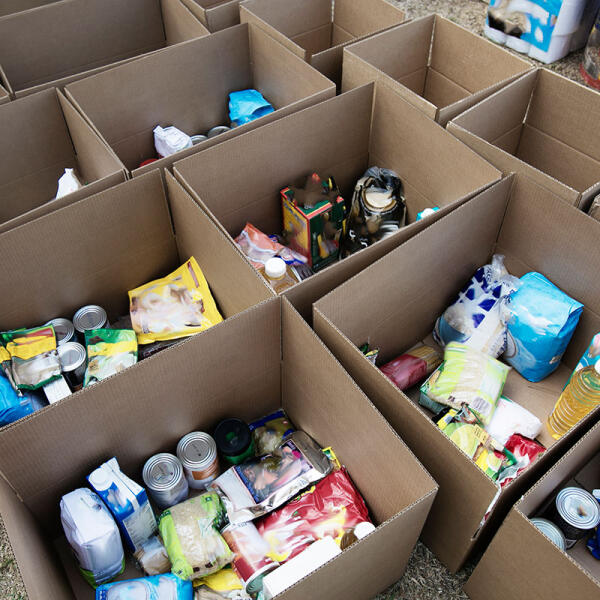
When the 2025 government shutdown extended to 43 days, its effects quickly reached families already living on the edge. Delays and disruptions in SNAP benefits placed added pressure on household budgets and contributed to a greater need for charitable food assistance across many states, including Ohio.
According to the Center on Budget and Policy Priorities, the average SNAP benefit is approximately $191 per person per month — an amount that often does not stretch far enough to meet a family’s needs (2025). Throughout this period, our funded partners continued responding with urgency, working to secure and distribute food to families facing increased hardship. Of those receiving SNAP benefits, nearly all (93.4%) reported that their SNAP benefits are exhausted in the first three weeks of the month or less, and 63% exhaust SNAP benefits in 2 weeks (Ohio Association of Foodbanks, 2024). These findings underscore how quickly food assistance can run out for families and why community-based support remains essential — especially during periods of added instability.
Nearly two-thirds (65.2%) of Ohio Association of Foodbank’s neighbor households reported that the adults in their households skipped meals in the past year because they did not have enough food, including more than a third (34.9%) that reported doing so every month or almost every month over the past year (2024). These findings make clear that food insecurity is not occasional for many families — it is frequent, recurring, and deeply disruptive to household stability. And in 2025, local data from the Akron-Canton Regional Foodbank showed that this need remained very real, with a 14% increase in pantry visits and a 73% increase in people served through a mobile pop-up pantry in Canton. (Akron-Canton Regional Foodbank, 2025).
More than half (57.8%) of food pantry visitors reported that they were forced to choose between affording food or affording medicine or medical care, including 25.6% that reported doing so every month or almost every month over the last year (Ohio Association of Foodbanks, 2024). This ongoing tradeoff between food and basic health needs shows why sustained support for food access remains essential for families in our community. The continued rise in pantry demand in 2025 reinforces that families were still facing these same impossible choices between basic necessities.
CH 6.2: Providing Relief
Emergency Assistance
“Housing is absolutely essential to [a] human flourishing. Without stable shelter, it all falls apart." — Matthew Desmond, Pulitzer Prize Winner
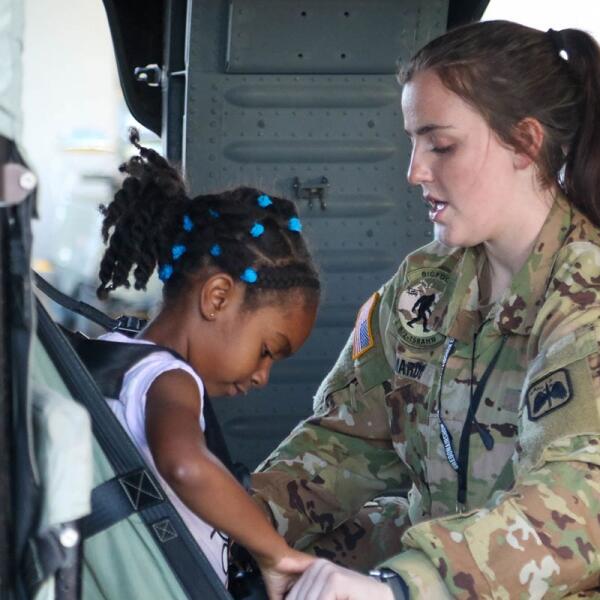
Housing instability and affordability continue to be a concern throughout our community. According to the 2025 Stark County Community Pulse Report, 16% of respondents reported lacking stable housing, 10% said they had housing but were worried about losing it, 3% reported temporary housing such as a tent or camper, and 4% were considered unhoused (Henry & Barna, 2025).
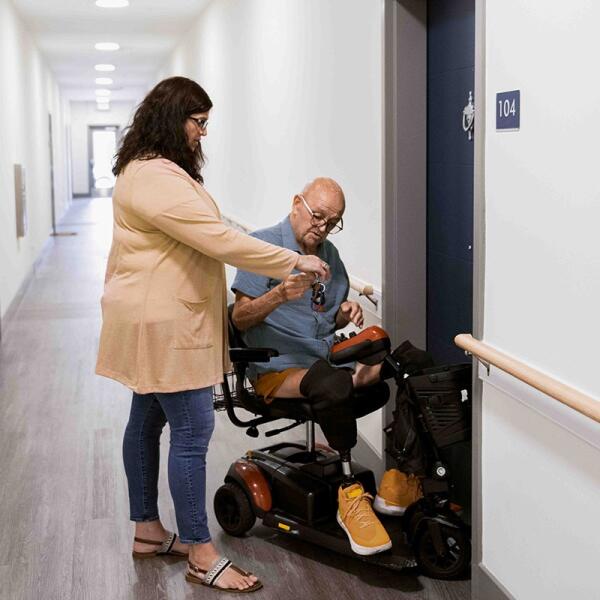
The report also highlighted housing affordability as a significant concern: 34% of respondents rated affordability unfavorably, 26% rated it poor, and 8% rated it very poor (Henry & Barna, 2025).
For families facing financial instability, the first of the month can bring immediate pressure as a new cycle of rent and utility costs begins. During this time, our funded partners are often inundated with calls for emergency assistance. On average, partners receive 15 to 25 calls each month and another funded partner who utilizes an online system receives approximately 101 applications a month, requesting help with rent. When a family reaches out, the funded partner gathers information and screens for eligibility, including whether the household has at least one child between the ages of 0 and 8 and whether assistance has been received within the past 12 months. Families who have already received support within the past 12 months are referred to other limited community options when available.
Unfortunately, funding can be exhausted very early in the month. In some cases, a family calling as early as the 5th may find that no emergency rent assistance remains available. When that happens, the funded partner may encourage the caller to check back later in the month in case funding reopens. This typically occurs only if an approved payment is declined by a landlord or if a household is unable to complete the required paperwork within the necessary timeframe.
This year, all available assistance funds were fully expended, and in some cases exceeded, highlighting the growing demand. As more families seek support, resources are being depleted more quickly than in previous years, underscoring the need for increased and sustained funding.
There were 1,629 eviction filings and cases heard in 2025.
That equates to 6.5 eviction filings and cases heard a day.
(Canton Municipal Court, 2025)
“The perceived threat of eviction predates the actual eviction process, but individuals may experience elevated mental health challenges out of the fear of forthcoming eviction much before the eviction filings take place." (Acharya, Bhatta & Dhakal, 2022)
“The forced moves and housing instability are associated with developing anxiety and depressive symptoms which can persist several years after the eviction and under extreme scenarios, could lead to suicide." (Acharya, Bhatta & Dhakal, 2022)
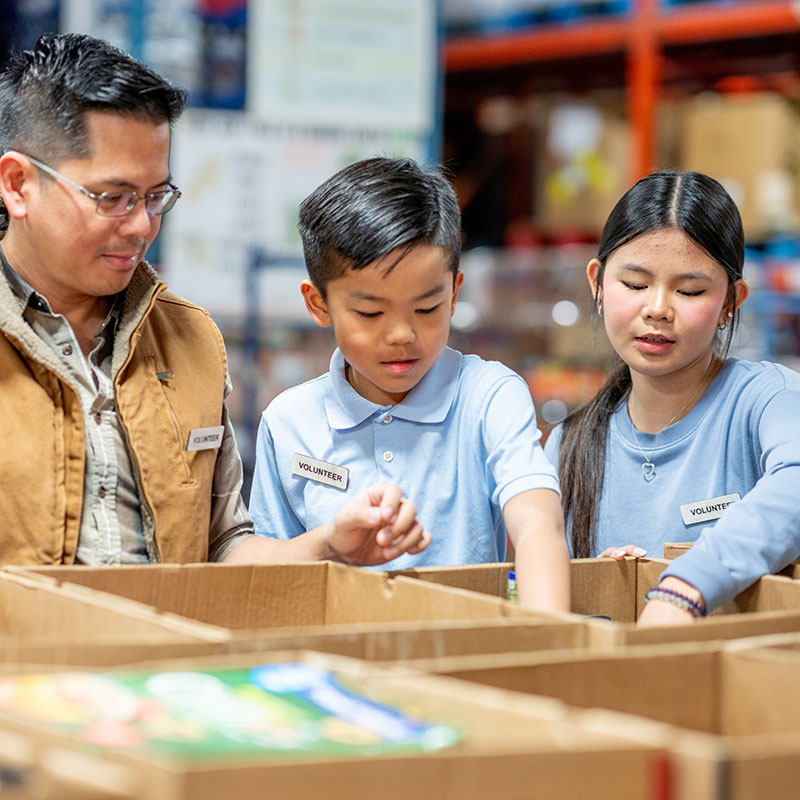
By helping meet critical rent and utility needs, our funded partners were able to accomplish the following this past year:
|
153 |
140 |
$1,000 |

CH 7.0: Our Community Commitment
We're Building Something Real
Investing in children. Strengthening families. Creating brighter futures.
Every child deserves the opportunity to grow, learn, and reach their full potential. But for many families in our community, challenges like poverty, food insecurity, limited access to resources, and barriers to early learning can make that path more difficult.
At United Way of Greater Stark County, we believe lasting change happens when we support children and the families who surround them. Through intentional partnerships, direct services, and community-based programs, we work alongside families to remove barriers, strengthen relationships, and create environments where children can thrive.
Our work focuses on the earliest years of a child’s life — a critical period when investments in health, learning, family stability, and connection can create lifelong impact.
Through programs like Strong Neighborhoods, Strong Families and Dolly Parton Imagination Library, we are helping families access the resources they need today while building the foundation for a stronger tomorrow.
CH 7.1: Putting Strategy Into Action
Building STRONG FOUNDATIONS FOR CHILDREN AND FAMILIES
Strong Neighborhoods, Strong Families
At United Way of Greater Stark County, we believe every child deserves the chance to grow, learn, and thrive — no matter their zip code. That’s why our Strong Neighborhoods, Strong Families initiative focuses on families with children under age 8 living in high-poverty neighborhoods. By bringing programs directly into neighborhood schools, we make it easier for families to discover, access, and use the services that can change their lives.
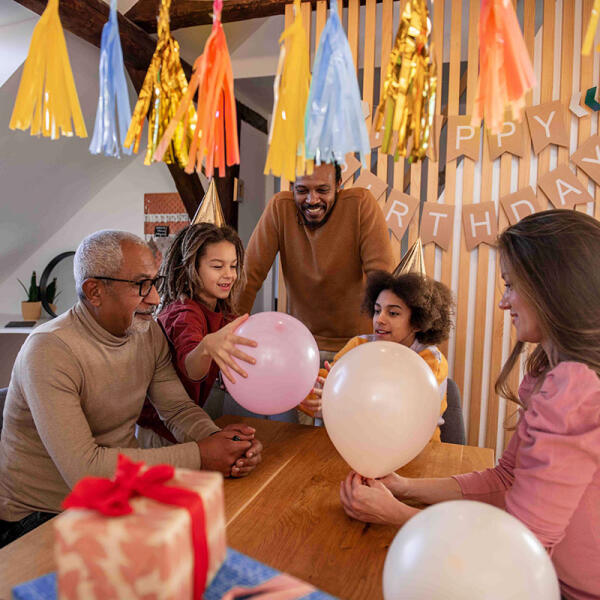
We combine essential basic-needs supports with high-quality community programs that build academic, social, and emotional skills — both for children and their caregivers. When basic needs like food, housing, and transportation are met, families have the breathing room to focus on healthy relationships, education, and long-term goals.
This work also helps prevent or reduce the lasting effects of Adverse Childhood Experiences (ACEs) by creating stable, nurturing environments during the most important years of development. Every school site is different, and each one is shaped by the unique needs, priorities, and strengths of its families.
Our success is possible only because of strong partnerships with schools, community organizations, and neighbors, all working hand in hand. United Way provides the backbone, connecting partners, coordinating services, and keeping our shared focus on reducing the impact of poverty. We’re excited to complete a strategic plan this year that will guide Strong Neighborhoods, Strong Families toward helping even more children when it matters most. Together, we’re ensuring that students walk into classrooms ready to learn, and teachers have the support they need to inspire their students.
|
|
|
|
CH 7.2: Carroll County
Strengthening Families Through Carroll County Partnerships
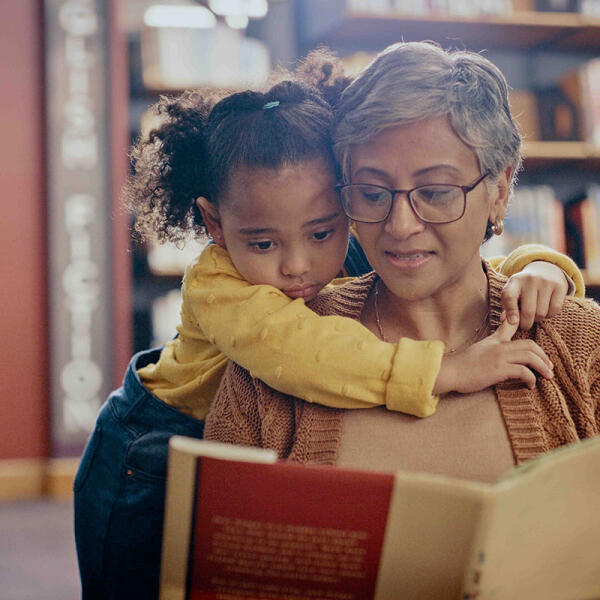
Creating lasting change requires more than one program or one organization. It requires neighbors, schools, nonprofits, and community leaders working together to identify needs, connect families to resources, and build stronger communities.
In Carroll County, United Way of Greater Stark County partners with local organizations, schools, and community leaders to support children and families through programs that address critical needs — from food security and household essentials to early childhood development and literacy.
Through these partnerships, funded partners help ensure families facing challenges have access to the resources they need close to home. School-based CARE Teams play a critical role in identifying students and families who may need additional support and connecting them with services that strengthen stability and well-being.
Meeting Basic Needs Through Community Collaboration
Together with our partners, we help remove barriers that can impact a child’s ability to learn and thrive. Through programs such as the Weekend Backpack Food Program, students experiencing food insecurity receive supplemental food to help bridge the gap between school meals and weekends or extended breaks.
By working directly through schools, resources reach children where they already are, reducing barriers for families and ensuring support is provided in a way that is accessible, discreet, and responsive to their needs.
Our partnership with the Carroll County General Health District expands access to essential household and personal care items through community resource boxes located throughout the county. These resources provide families with items such as hygiene products, diapers, and household supplies that help ease financial strain and support overall family stability.
2025–2026 Carroll County Impact Highlights
|
100 |
650 |
2,352 |
Growing a Love of Learning Through Dolly Parton Imagination Library
A child’s success begins long before they enter the classroom. Early literacy experiences build the foundation for language development, confidence, and lifelong learning.
Through our partnership with Dolly Parton’s Imagination Library of Ohio, every child in Carroll County from birth to age five has the opportunity to receive a free, age-appropriate book delivered directly to their home each month. As the local affiliate, United Way of Greater Stark County leads enrollment efforts and provides the funding needed to bring this opportunity to families throughout the county.
Since launching in March 2020, over 50,000 books have been delivered to children across Carroll County, nearly 1,600 children have participated since the program began, and over 700 children are currently enrolled, reaching 56% of eligible children.
Every book delivered represents more than a story. It represents an opportunity — a moment shared between a child and caregiver, a stronger foundation for school readiness, and an investment in the future of Carroll County’s youngest residents.
CH 7.3: VITA
VITA: Putting More Dollars Back Into Our Community
For many families, tax season is more than a deadline — it’s an opportunity. It’s a chance to recover dollars they’ve earned, access important tax credits, and take a step toward greater financial stability.

Through United Way of Greater Stark County’s Volunteer Income Tax Assistance (VITA) program, eligible individuals and families receive free, accurate tax preparation services from IRS-certified volunteers. The program helps remove barriers for households with low-to-moderate incomes, older adults, individuals with disabilities, and those who may face challenges accessing traditional tax preparation services.
For more than a decade, VITA has helped ensure that families keep more of their hard-earned income. Without this service, many taxpayers would spend hundreds of dollars on tax preparation fees — dollars that can instead go toward groceries, housing costs, transportation, childcare, or building a stronger financial future.
Beyond tax preparation, VITA strengthens our entire community by bringing millions of dollars back into the local economy while providing meaningful volunteer opportunities that build skills, confidence, and connection.
During the most recent tax season, United Way’s VITA program helped individuals and families:
Complete more than 3,200 tax returns
Bring $3.8 million in federal refunds back into our community
Access $815,817 in Earned Income Tax Credits
Save an estimated $1.145 million in tax preparation fees
Each return represents more than a form completed — it represents a family with more resources, a stronger financial foundation, and greater opportunity.
We are grateful to the dedicated volunteers, partners, and supporters who make this work possible and help ensure that every dollar earned has the greatest possible impact.
CH 7.4: Black-led Nonprofits
OPENING DOORS FOR BLACK-LED NONPROFITS
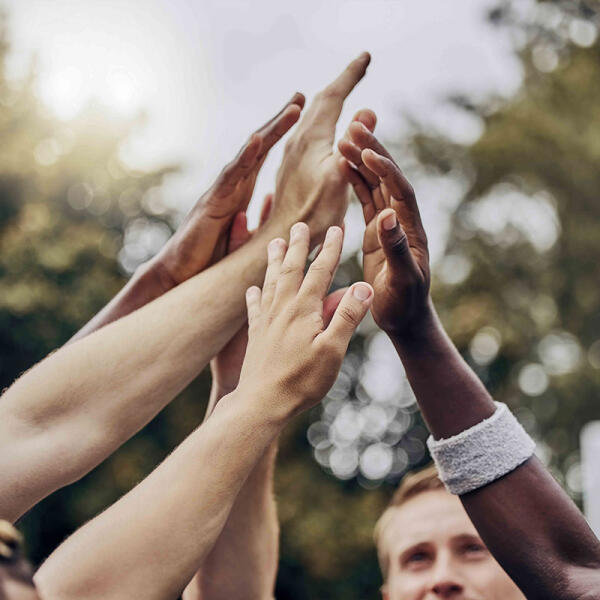
The strength of Black-led nonprofits is rooted in proximity, lived experience, and deep commitment to community. Research from Candid highlights that 82% of Black leaders at Black-founded nonprofits are deeply involved in daily operations, 92% have personal experience connected to their mission, and 91% are driven by passion and belief in the work — qualities that help build trust, relevance, and lasting impact (Brathwaite, 2026).
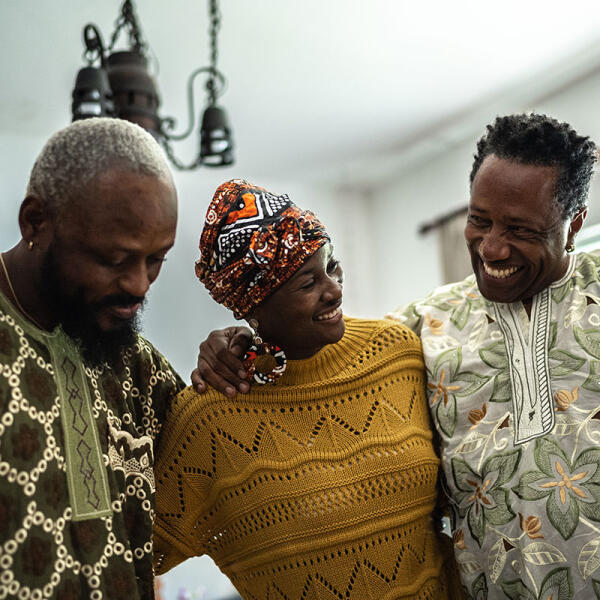
That understanding helped shape United Way’s Black-led nonprofits initiative, launched in 2023 to open doors for smaller organizations whose leadership, relationships, and community knowledge make them uniquely positioned to create change. Through the Black-led nonprofits small grants process, United Way invests in small Black-led organizations serving Stark and Carroll Counties, with a focus on helping young children and families thrive by reducing adverse childhood experiences and strengthening household stability. In addition to funding, the initiative is designed to help organizations grow their capacity, equipping leaders with tools, training, and support that can strengthen their work well beyond a single grant cycle.
To support that growth, Candid provided capacity-building training focused on grant writing and strategies for developing strong, competitive applications. These sessions expanded the value of the initiative beyond grant dollars alone, creating opportunities for Black-led nonprofits — and other community-based organizations — to strengthen their skills, sharpen their storytelling, and prepare for future funding opportunities.
SCORE volunteers also reviewed Black-led nonprofits application materials before organizations entered the funding process, offering thoughtful feedback that helped applicants strengthen and refine their proposals. That early encouragement and coaching made a meaningful difference, giving leaders added confidence and, in some cases, helping position organizations to secure funding this year.
This year, United Way invested $50,000 in programs that nurture both opportunity and well-being for children and families, including tutoring, Science, Technology, Engineering, Mathematics, and Medicine (STEMM) learning, social-emotional and self-regulation supports, life skills development, and arts and culture programming.
Organizations who received funding: A.S.P.I.R.E. Today Inc., EKAZA-BRIDGING THE GAP, Family Empowerment Ministries, Inc., Future Promise, and Tiqvah Hands of Hope
Number of youth served between ages of 0-8: 326
(Black-led nonprofits, 2025-2026)
CH 7.5 Volunteers
Community in Action: The Power of Volunteers
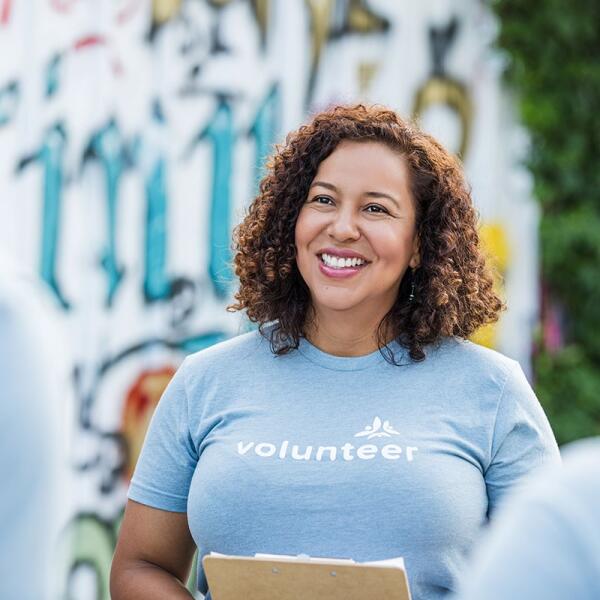
A stronger community is built by people who choose to show up for one another. Every year, thousands of volunteers across our community give their time, talents, and energy to help create meaningful change.
Through United Way of Greater Stark County, volunteers serve in countless ways — supporting programs, strengthening community initiatives, sharing their expertise, and helping ensure resources reach the people who need them most.
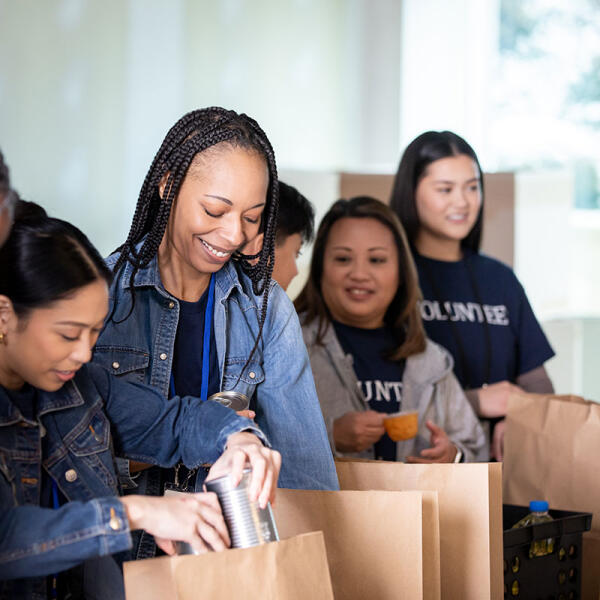
Whether packing food, preparing tax returns through VITA, supporting local events, serving on committees, or lending a helping hand to a neighbor, each volunteer plays an important role in building a community where everyone has the opportunity to thrive.
Last year, 1,500 volunteers contributed 6,208 hours of service, representing an estimated $163,500 in community value. But the true impact of volunteerism extends far beyond the hours donated. Volunteers bring connection, compassion, and a shared commitment to creating a stronger Stark County.
We are grateful for every individual who chooses to invest their time and talents in our mission. Together, we are proving that when people come together, lasting change is possible.

CH 8.0: What's Next
Building on momentum. Expanding opportunity
The work of strengthening children, families, and communities is never finished. As needs evolve, United Way of Greater Stark County remains committed to listening, learning, and adapting to create solutions that make the greatest possible impact.
Over the past year, we took an important step forward by completing a comprehensive strategic planning process for Strong Neighborhoods, Strong Families. This roadmap will guide the continued growth and evolution of our school-based family support model, helping us reach more children and families during the critical early years of development.
Moving forward, we will focus on expanding the reach of Strong Neighborhoods, Strong Families by deepening partnerships with schools, strengthening family engagement, and connecting more families to the resources and relationships that help children thrive. We will also continue advancing toward a nationally recognized Community Schools Framework for this programming, driving how we deliver services, student and family engagement. We will continue bringing together educators, families, community organizations, and local partners to address the academic, social, emotional, health, and family needs that impact childhood success.
Our vision remains clear: every child deserves the opportunity to reach their full potential.
Achieving that vision requires partnership, investment, and a shared belief that our community is stronger when every family has the opportunity to succeed.
The challenges ahead are significant — but so is our collective capacity to meet them.
Together, we are building stronger schools, stronger families, and a stronger community.
CH 9.0: Financial Highlights
Investing in our community
Every dollar entrusted to United Way of Greater Stark County represents a commitment to creating opportunity, strengthening families, and addressing the challenges facing our community.
Through the generosity of donors, corporate partners, foundations, and community supporters, we invest resources where they can create the greatest impact — supporting programs that build skills, strengthen relationships, and improve financial stability for children and families across Stark and Carroll counties.
Our financial stewardship reflects our commitment to transparency, accountability, and maximizing the impact of every contribution.
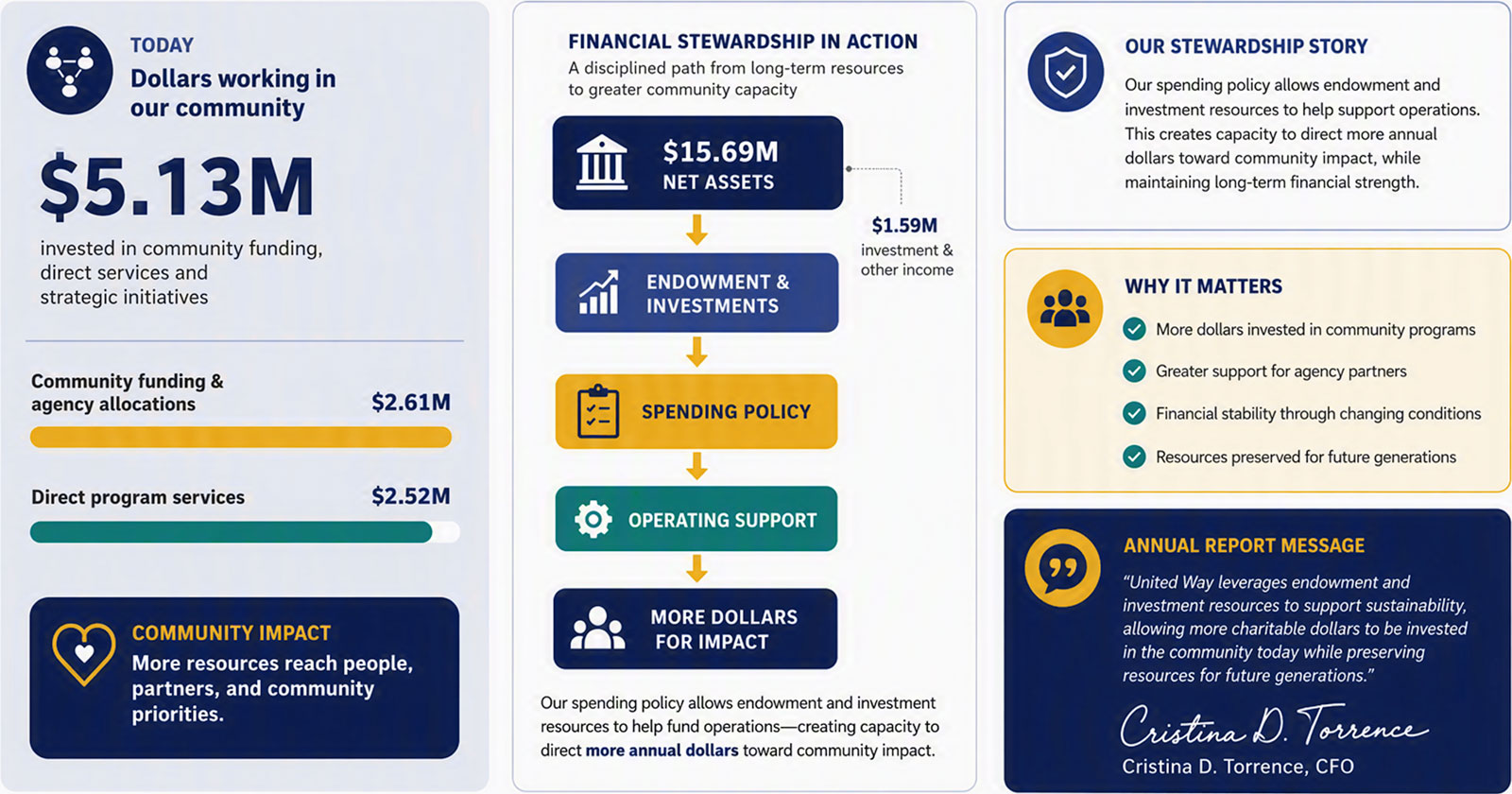
Community Impact Today
FY2026 Financial Stewardship
Source of Funds
FY2026 Total
| Revenue Type | Amount | % |
| Campaign contributions, net | $4,185,720 | 64.4% |
| Program fees and grants | $526,143 | 8.1% |
| In-kind contributions | $199,460 | 3.1% |
| Investment and other income | $1,587,266 | 24.4% |
| Total sources | $6,498,589 | 100% |
Use of Funds
FY2026 Total
| Expense Type | Amount | % |
| Community funding / agency allocations | $2,610,463 | 41.7% |
| Community impact volunteers | $387,761 | 6.2% |
| Community impact and allocations | $345,165 | 5.5% |
| Community services and assistance | $942,415 | 15.1% |
| Strategic investment initiatives | $843,409 | 13.5% |
| Management and general | $333,548 | 5.3% |
| Resource development and fundraising | $791,651 | 12.7% |
| Total uses | $6,254,412 | 100% |
Statements of Financial Position
March 31, 2026 and 2025
ASSETS
| CURRENT ASSETS | 2026 | 2025 |
| Cash and cash equivalents | $998,305 | $969,077 |
| Pledges receivable, net | 1,502,137 | 1,747,717 |
| Receivables, grants and strategic investment | 74,617 | 77,610 |
| Receivables, community services and assistance | 19,140 | 22,786 |
| Receivables, centennial campaign, current | 213,000 | 471,000 |
| Receivables, capital repair fund | 19,000 | 5,587 |
| Accrued interest receivable | 31,706 | 28,912 |
| Prepaid expenses | 29,268 | 18,878 |
| TOTAL CURRENT ASSETS | 2,887,173 | 3,341,567 |
| NONCURRENT ASSETS | 2026 | 2025 |
| Investments, at fair value | 13,211,053 | 12,666,516 |
| Right-of-use asset | 547,171 | 691,954 |
| Equipment and improvements, net | 120,326 | 76,733 |
| TOTAL NONCURRENT ASSETS | 13,878,550 | 13,435,203 |
| TOTAL ASSETS | $16,765,723 | $16,776,770 |
LIABILITIES AND NET ASSETS
| CURRENT LIABILITIES | 2026 | 2025 |
| Accounts payable | $65,637 | $103,332 |
| Accounts payable, other | 87,060 | 98,374 |
| Accrued payroll and paid time off | 78,675 | 75,941 |
| Allocations payable | 24,304 | 24,249 |
| Deferred revenue, grants | 14,608 | 101,754 |
| Deferred revenue, impact and allocations | 33,236 | 18,886 |
| Designations payable | 221,005 | 212,430 |
| Right-of-use liability | 153,470 | 144,783 |
| TOTAL CURRENT LIABILITIES | 677,995 | 779,749 |
| NONCURRENT LIABILITIES | 2026 | 2025 |
| Right-of-use liability, net of current portion | 393,701 | 547,171 |
| TOTAL LIABILITIES | 1,071,696 |
1,326,920 |
| NET ASSETS | 2026 | 2025 |
| Without donor restrictions: | ||
| Undesignated | 3,729,873 | 3,830,888 |
| Board designated, unrealized gains — Note E | 5,451,209 | 4,205,408 |
| Board designated, operating reserves — Note E | 1,570,000 | 1,540,000 |
| Total without donor restrictions | 10,751,082 | 9,576,296 |
| With donor restrictions — Note F | 4,942,945 | 5,873,554 |
| TOTAL NET ASSETS | 15,694,027 | 15,449,850 |
| TOTAL LIABILITIES AND NET ASSETS | $16,765,723 | $16,776,770 |
Statements of Activities
Comparative Totals | Years Ended March 31, 2026 and 2025
| PUBLIC SUPPORT & REVENUE | 2026 | 2025 |
| Gross campaign pledges processed | $4,473,735 | $4,685,303 |
| Designations paid direct | 42,628 | 17,114 |
| Total gross campaign results | 4,516,363 | 4,702,417 |
| Less: | ||
| Donor designations | (237,005) | (212,430) |
| Donor designations paid direct | (42,628) | (17,114) |
| Provision for uncollectible | (51,010) | (97,945) |
| Total campaign contributions, net | 4,185,720 | 4,374,928 |
| Program fees and grants | 526,143 | 664,942 |
| In-kind contributions | 199,460 | 187,911 |
| Contributions released from restriction | - | - |
| Total public support and revenue | 4,911,323 | 5,227,781 |
| ALLOCATIONS AND FUNCTIONAL EXPENSES | 2026 | 2025 |
| Community funding, agency allocations | 2,610,463 | 2,632,782 |
| Functional expenses: | ||
| Program services: | ||
| Community impact volunteers | 387,761 | 382,410 |
| Community impact and allocations | 345,165 | 371,812 |
| Community services and assistance | 942,415 | 920,034 |
| Strategic investment initiatives | 843,409 | 784,349 |
| Total program services | 2,518,750 | 2,458,605 |
| Support Services: | ||
| Management and general | 333,548 | 341,767 |
| Resource development and fundraising | 791,651 | 842,399 |
| Total support services | 1,125,199 | 1,184,166 |
| Total functional expenses | 3,643,949 | 3,642,771 |
| Total allocations and functional expenses | 6,254,412 | 6,275,553 |
| OTHER INCOME (EXPENSE) | 2026 | 2025 |
| Investment income, net | 206,172 | 204,732 |
| Net gain on assets reported at fair value | 1,375,770 | 444,479 |
| Miscellaneous income | 5,324 | (2,439) |
| Total other income (expense) | 1,587,266 | 646,772 |
| CHANGE IN NET ASSETS | 244,177 | (401,000) |
| NET ASSETS, BEGINNING OF THE YEAR | 15,449,850 | 15,850,850 |
| NET ASSETS, END OF THE YEAR | $15,694,027 | $15,449,850 |
Community Impact Today + Endowment Impact Tomorrow
FY2026 Financial Stewardship
CH 10.0: Your Support Makes a Difference
Thank You
Together, we build stronger communities.
No single organization can solve the challenges facing our community alone. The progress highlighted in this report is possible because thousands of people choose to believe that every child, every family, and every neighbor deserves the opportunity to thrive.
To our donors who invest in this mission.
To our corporate partners who share their resources and expertise.
To our volunteers who give their time and talents.
To our nonprofit partners, educators, and community leaders who show up every day for children and families.
Thank you.
Your generosity creates more than programs. It creates connections, opportunities, and pathways forward. Because of you, families find support. Children build confidence. Our community grows stronger. Together, we are building a future where every child has the opportunity to reach their full potential.
United Way of Greater Stark County
Serving Stark & Carroll Counties
United Way of Greater Stark County
401 Market Ave North
Suite 300
Canton, OH 44702
uwstark.org

A big thank you to Innis Maggiore for helping bring our annual report to life — your generosity made it possible.
© 2026 United Way of Greater Stark County
References
ABFE & Candid. (2026). From Transaction to Transformation: Three Ways Foundations Can Invest in Black-Led Nonprofits for Lasting Change. https://www.issuelab.org/resources/52067/52067.pdf
Acharya, B., Bhatta, D., Dhakal. C., (2022 Sept. 6). The Risk of Eviction and the Mental Health Outcomes Among the US Adults. Prev Med Rep. 29:101981. doi: 10.1016/j.pmedr.2022.101981. PMID: 36161138; PMCID: PMC9502670.
Access Health Stark County. (2026, May 6). Community Health Workers May 2026 Information Session.
AHEAD Inc. (2024-2027 - 2025-2026). Annual Report: Strong Start
Akron Canton Regional Foodbank. (2025). Summer FOODBANK UPDATE. https://www.akroncantonfoodbank.org/sites/default/files/assets/docs/Impact-Update-Summer-2025.pdf
Alliance for Children & Families. (2024-2027--2025–2026). Annual Report: Strong Start
A.S.P.I.R.E. Today Inc. (2025-2028 - 2025-2026). Annual Report: Black-Led Nonprofits
Brathwaite, L. (2024). Empowering Change: Black-Founded Nonprofits Achieving Impact with Limited Resources. https://candid.org/blogs/black-founded-nonprofits-achieving-impact-with-limited-resources/
Canton Municipal Court. (2025). 2025 Forcible Entry & Detainer (Eviction) Cases.
Carroll County General Health District. (2025-2028-2025-2026). Annual Report: Household Stability.
Carrollton Exempted Village Schools. (2025-2028-2025-2026). Annual Report: Household Stability.
Center on Budget and Policy Priorities. (2025, January 25). Ohio Food Assistance Program. https://www.cbpp.org/sites/default/files/atoms/files/snap_factsheet_ohio.pdf
Desmond, M. (2016). Evicted: Poverty and Profit in the American City
Early Childhood Education Alliance. (2024-2027--2025-2026). Annual Report: Strong Start
Early Childhood Resource Center. (2024-2027-- 2025–2026). Annual Report: Strong Start
Ekaza. (2025-2028 - 2025-2026). Annual Report: Black-Led Nonprofits
EN-RICH-MENT. (2025-2028-2025-2026). Annual Report: Strong Start
Family of Promise. (2025-2028 - 2025-2026). Annual Report: Black-Led Nonprofits
Future Promise. (2025-2028 - 2025-2026). Annual Report: Black-Led Nonprofits
Henry, M., Barna, A. (2025). Community Pulse Report, 2025 Stark County. The Center for Marketing and Opinion Research
JRC Learning Center. (2024-2027 - 2025-2026). Annual Report: Strong Start
Margaret B. Shipley Child Health Clinic. (2025-2028-2025-2026). Annual Report: Household Stability
Legacy Project. (2026). Family Engagement Night (Kelly).
Ohio Association of Foodbanks. (2024). Hunger in Ohio 2024 A Data-Driven Profile on Ohioans Facing Hunger Retrieved from https://ohiofoodbanks.org/site/assets/files/2967/hunger_study_2024_6.pdf
Tiqvah, (2025-2028 - 2025-2026). Annual Report: Black-Led Nonprofits
United Way of Greater Stark County. (2025-2028-2025-2026)- Emergency Assistance, Stark County. 2025-2026 Annual Report: Household Stability.
YWCA. (2024-2027--2025–2026). Annual Report: Strong Start
Privacy Policy
The United Way of Greater Stark County (United Way) respects the privacy of our donors and is committed to protecting the personal information that we gather and maintain regarding those donors. As such, the United Way’s Board of Directors adopted the following Donor Privacy Policy (Policy) which guides our staff and volunteers on how they may and may not use donors’ personal information. The Policy applies to the collection of donor information from any source: physical pledge cards, on line pledges, our website, electronic communications, registration for an event or fundraiser or by any other means.
United Way collects, retains and uses donors’ information such as: name, address, telephone numbers, email address, spouse’s name, donation amount, designations, donor history, contributions and limited demographic information.
The United Way uses a third party online payment processing service with high levels of security. United Way does not store, nor does it have access to, credit card information, bank account numbers, or other account data sent to the payment processing service as part of an online donation, purchase or registration. Credit card numbers, provided by donors through electronic means, are not retained by United Way employees, nor do they have access to them.
Credit card numbers provided by donors through any physical forms or via telephone to authorized United Way employees are securely transmitted to the third party online payment processing service and are then destroyed.
United Way uses donor information for the following purposes:
- To administer and maintain records relating to donations.
- To facilitate fundraising.
- To communicate with donors about the United Way.
- To distribute receipts to donors.
- To bill donors for unpaid pledges.
- To thank donors for their support.
- To provide information used in internal analysis
- To comply with legal or regulatory requirements.
United Way will not use donor information in the following manner:
- United Way will not sell or trade donors’ information with anyone else.
- United Way will not send mailings to donors on behalf of other organizations.
- United Way will not share donors’ personal information with any third parties unless given specific permission to do so by the donors.
United Way may utilize outside vendors for various purposes related to United Way’s business. Such vendors may be given donors’ information for such use. These vendors sign a confidentiality agreement and are prohibited from using this information for any other purposes.
To make our website more useful to donors, volunteers and the general community, United Way’s server automatically collects information when someone visits the website. This information includes, but is not limited to IP addresses, date and time of the visits, pages visited and click streams.
United Way may, at times, publically recognize the receipt and purpose of donors’ gifts. Such recognition is always with the donors’ prior knowledge and consent. The United Way honors all explicit requests from donors who choose to remain anonymous.
United Way reserves the right to change the Policy at any time, but only with approval of its Board of Directors. The latest Policy will always be posted on the United Way’s website. For changes to the Policy that may be materially less restrictive on the use or disclosure of a donors’ personally identifiable information, United Way will obtain donors’ consents before implementing the change by sending notices to donors and by placing a prominent notice on United Way’s website.
Data on donors and donation amounts may be aggregated and stripped of all identifying information for reporting purposes including grant applications, trend analysis, reporting requirements and any applicable government filings without explicit consent of the donors. United Way has initiated various safeguards and policies to protect donors’ information. These include, but are not limited to:
- Physical measures such as locked filing cabinets and restricted access to offices.
- Controlled access to data.
- The use of passwords and encryption.
- A written Records Retention Policy.
- Use of data base event logging.
The United Way has also adopted a Donor Bill of Rights which is attached as part of the Policy.
Questions regarding the Policy or any other aspects of the use of donors’ information should be directed to Beth Hensley, Vice President of Marketing and Communications at (330) 491-9957 or by email at beth.hensley@uwstark.org.